Story
It begins with a letter
نٓۚ وَٱلۡقَلَمِ وَمَا يَسۡطُرُونَ“Nūn. By the pen, and by what they inscribe.”
Surah Al-Qalam · 68:1
NOON is named for the letter ن — a bowl holding a single dot, and the opening of the surah where the oath is sworn by the pen and by what they inscribe. Hold the letter in your eye a moment longer and it becomes a cup seen from the side, the dot suspended above it like the first rise of steam. A letter, a vessel, a beginning: we wanted a name that carried all three.
The room came before anything else. We wanted a place on 2426 Blaisdell ave where a conversation could outlast its excuse — tables spaced for thinking, light that does not hurry anyone, a counter close enough to watch and far enough to forget. The first line in our notebook is still the whole brief: “A room for the long conversation, and the slow cup that carries it.”
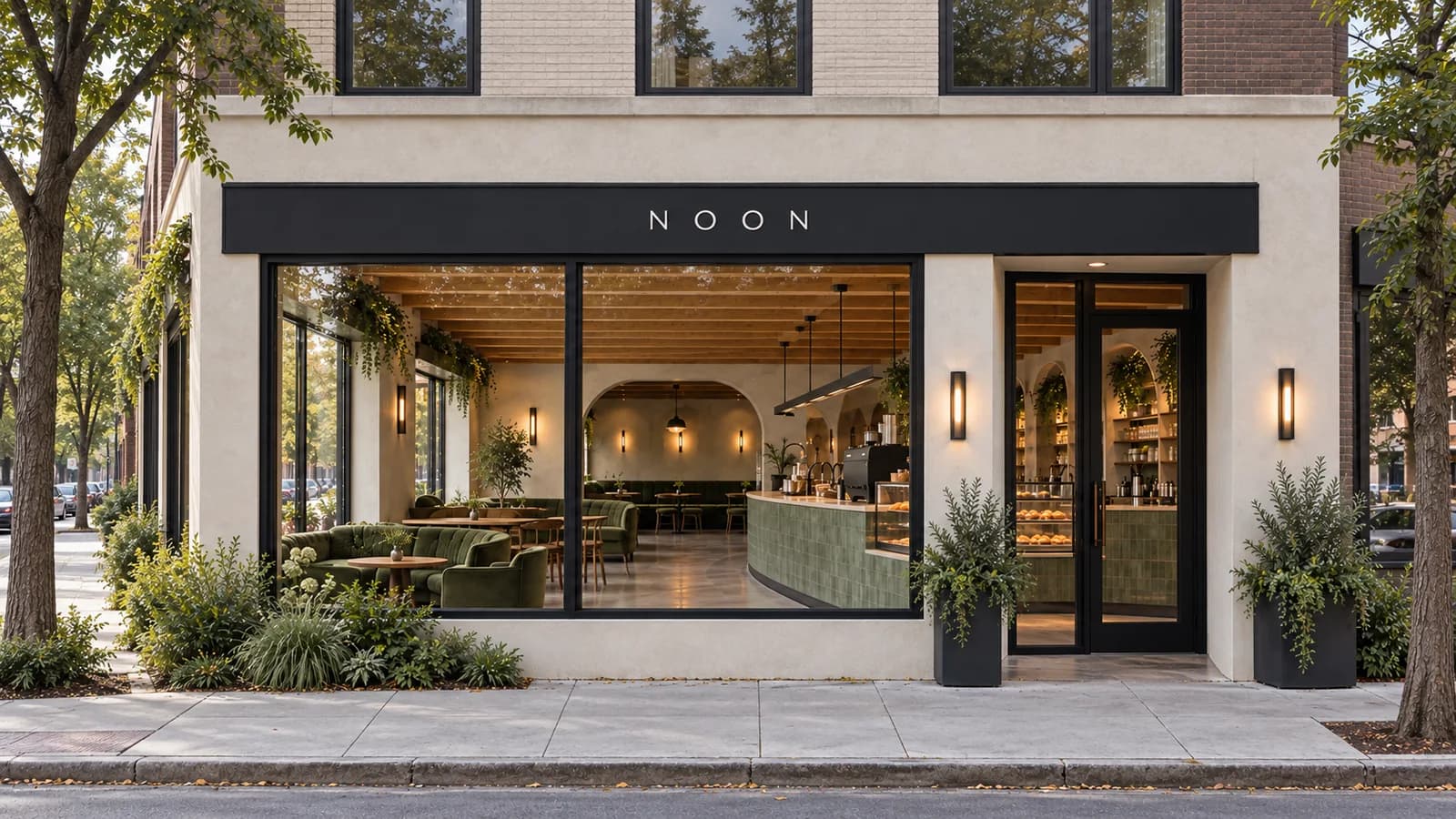
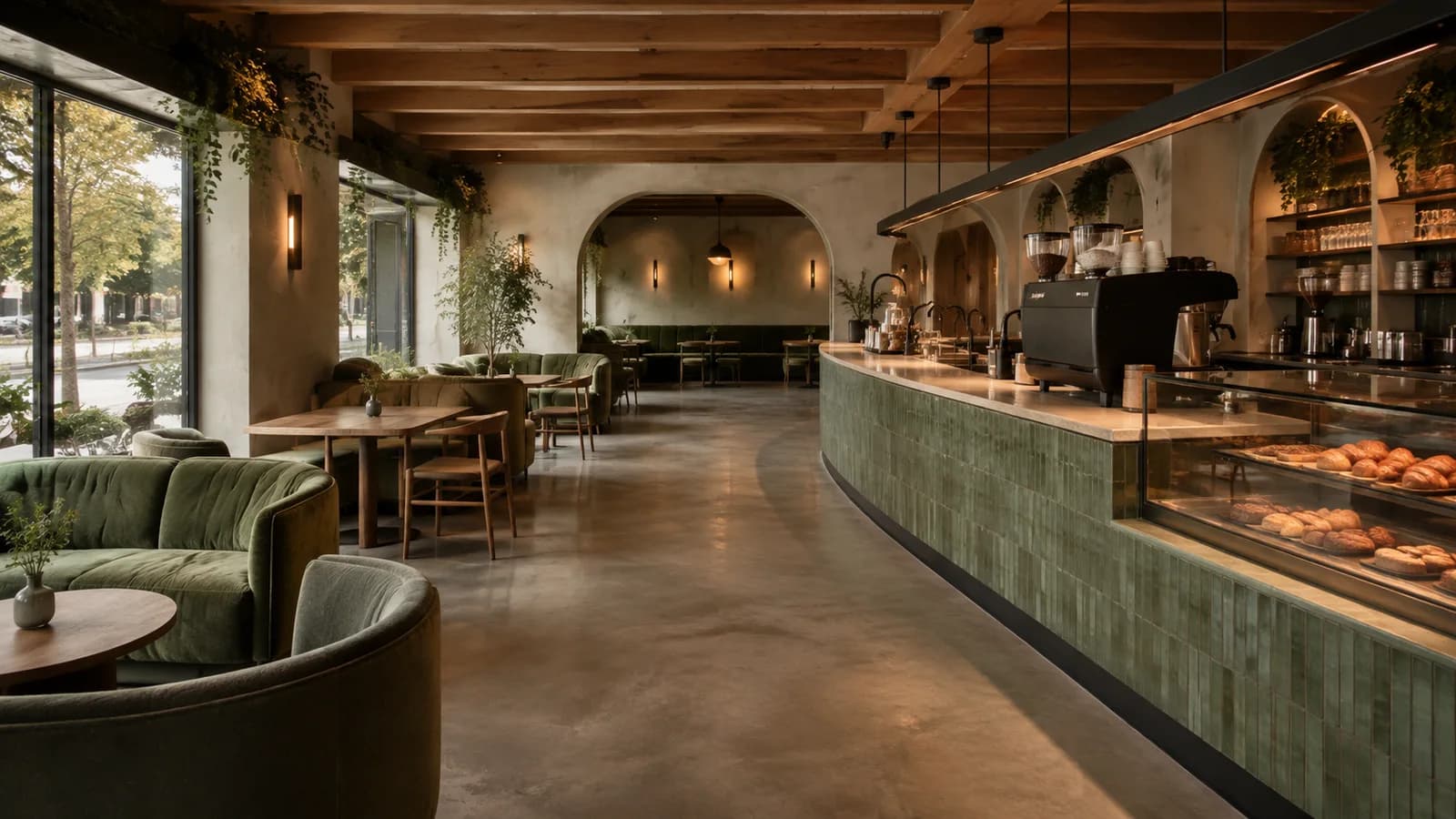
The cup keeps that promise. We buy coffee deliberately and in small amounts, pull it with care, and spice the shaah the way it is made in the kitchens we grew up in. The case is baked each morning and allowed to run out. Nothing here is meant to be finished quickly; it is made to hold up in the second hour, when the real conversation starts.
The room
Every people has a slow cup
Minneapolis drinks in every language. Whatever your people call the unhurried cup, it has a chair at this table.
Some of these cups were drawn from this land long before the city had a name; others arrived later, in a hundred languages and on a hundred boats. What they share is one small, stubborn idea — that a hot cup is mostly a reason to sit down and stay. Here are seven of them, set side by side.

Somali Minneapolis
Shaah
Black tea boiled hard with cardamom, cinnamon, and clove — sweetened well, often lightened with milk, and set before the guest ahead of any word of business.
The glass is small so the sitting can be long.

Arab Minneapolis
Qahwa
Lightly roasted, cardamom-scented coffee served with dates and poured just a few sips at a time — so the small cup is refilled again and again.
A little shake of the finjan means enough; until then, the dallah keeps coming.

Scandinavian & German Minnesota
Fika & kaffe
Bottomless coffee and a cinnamon bun down in the church basement — fika, the Nordic pause that never quite ends.
One more cup, and the hour goes with it.
Black Minneapolis
The welcome cup
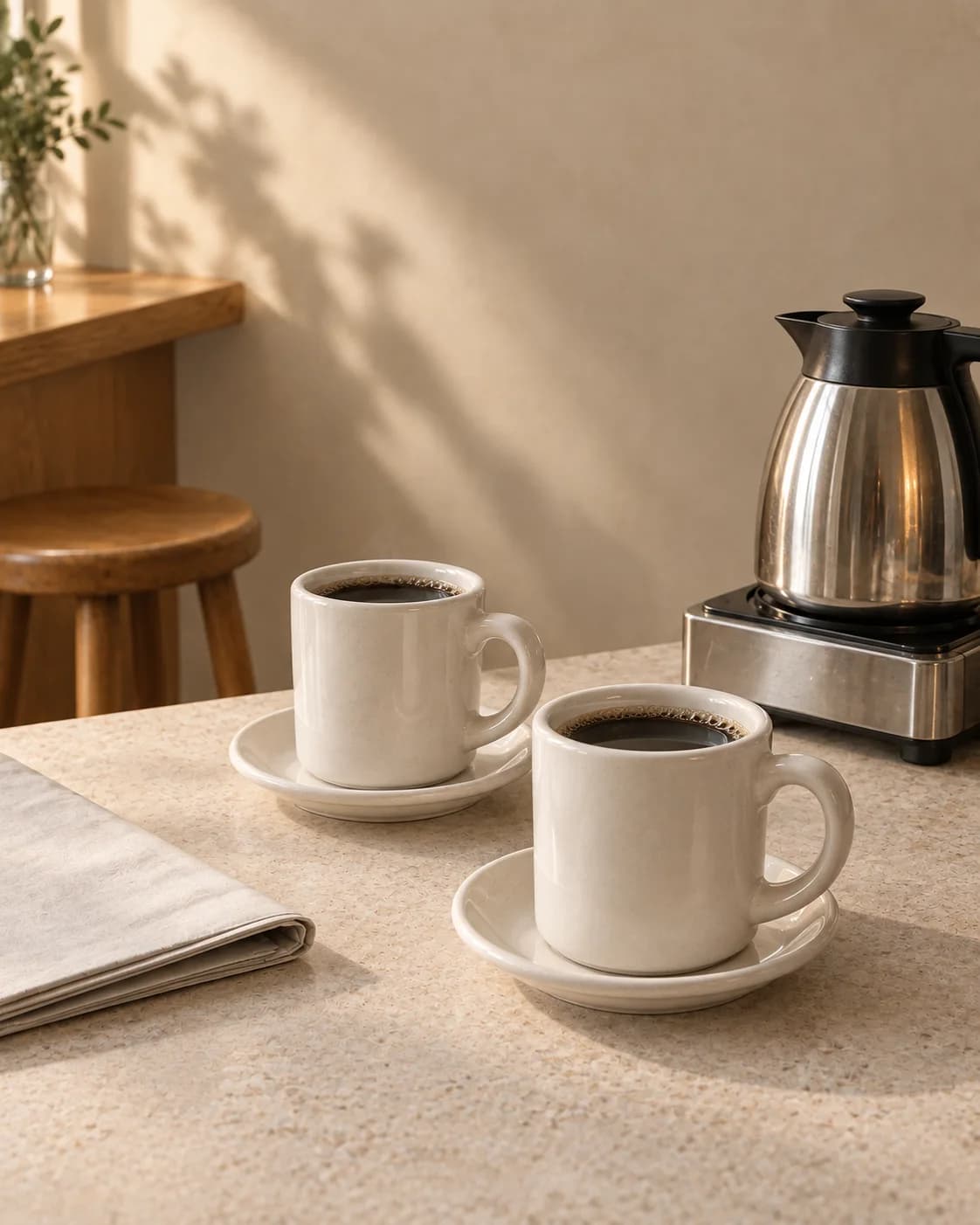
On the Northside, coffee kept hot for whoever comes by — the kitchen table and the corner café where welcome is measured by how long you stay.
The pot stays on; the conversation stays longer.

Dakota & Ojibwe Minnesota
Cedar & maple
The oldest warm drinks of this land: cedar steeped slow for its keeping, and maple sap gathered in birchbark, then boiled down slower still.
Before any other cup reached here, these.

Hmong Minnesota
Garden teas
Lemongrass and ginger from the Hmong market gardens that stock the Twin Cities, simmered into a bright, warming tea.
Steeped slow from what the garden gave that week.
Latino Minnesota
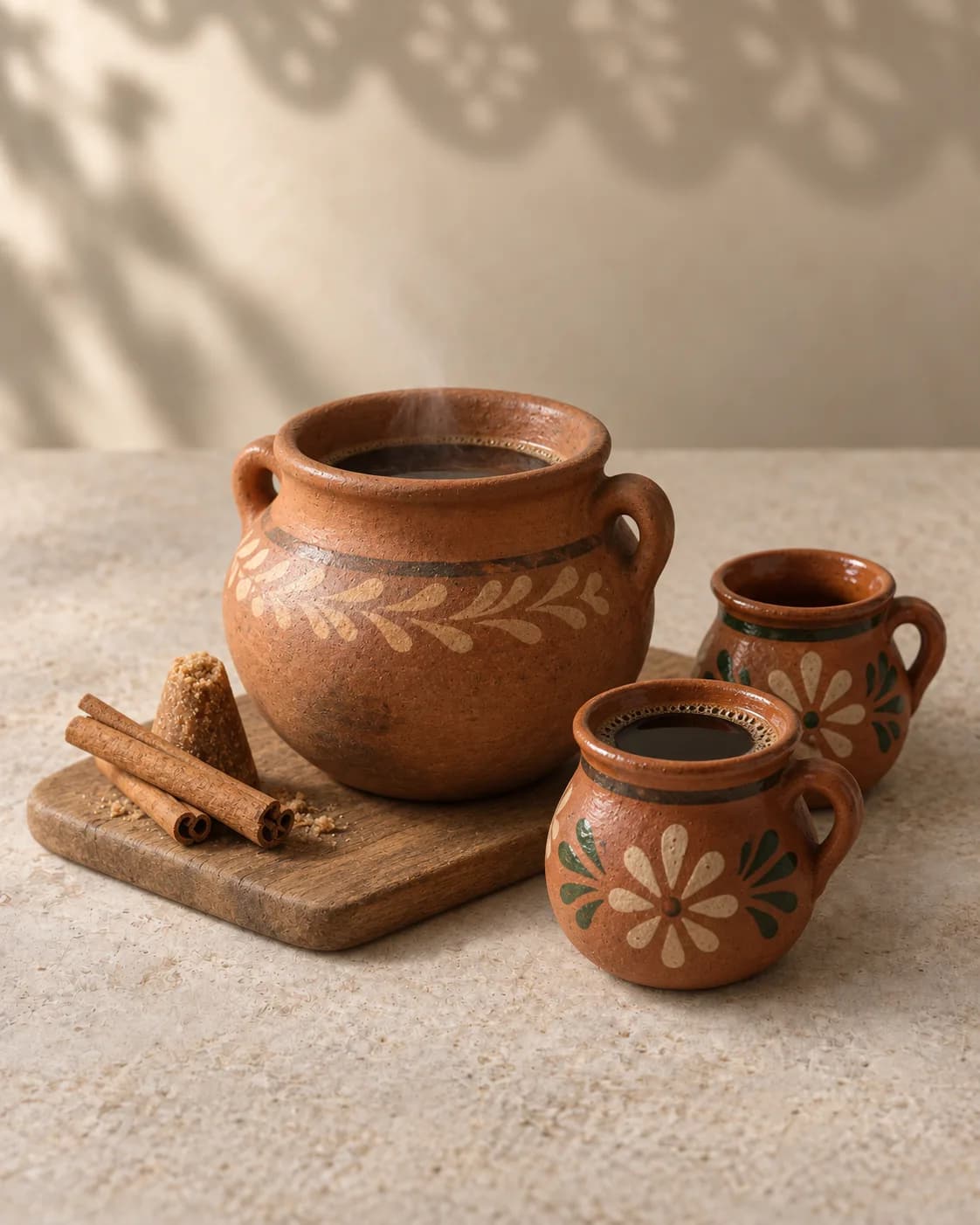
Café de olla
Coffee simmered in a clay olla with canela and piloncillo, then poured out into a painted jarrito.
The clay keeps the cinnamon; the pot is never quite rinsed of it.
Minneapolis holds all of these cups, often on the same block, and the room learns every language that orders in it. We did not invent the slow cup; we set out chairs for the ones that already live here. Bring yours — it will be understood.